
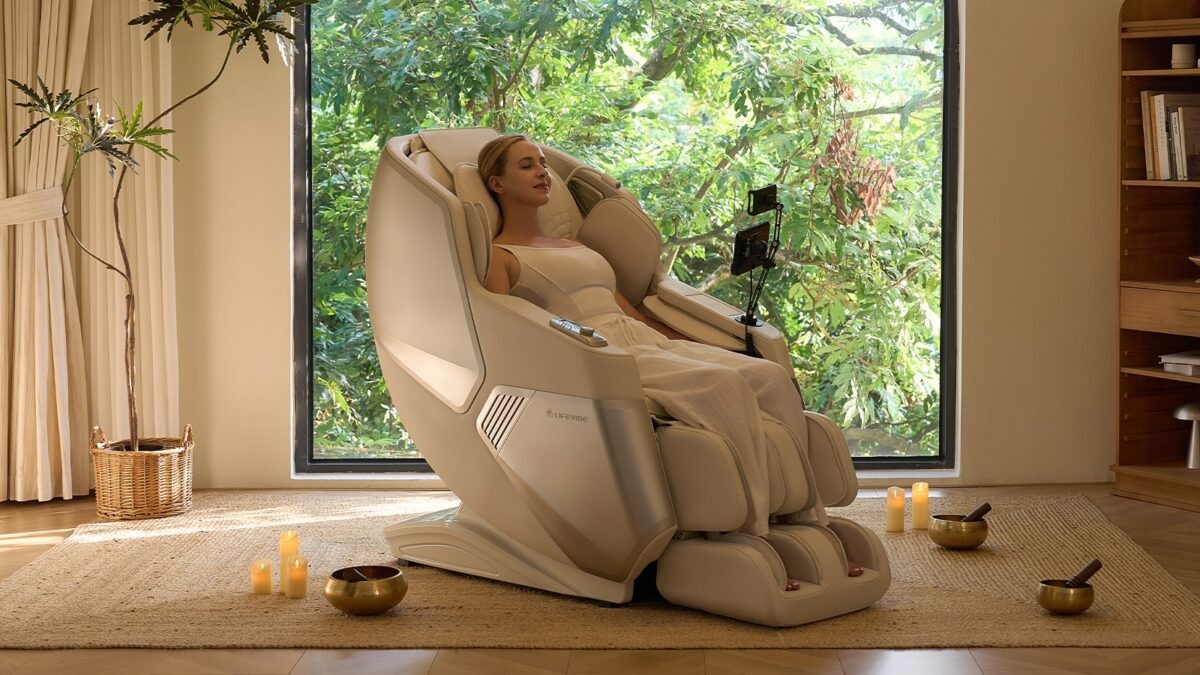
Muscle recovery is a crucial aspect of any fitness routine, especially for individuals who engage in regular gym workouts. After intense exercise sessions, muscles often experience micro-tears and inflammation, leading to soreness and stiffness. Proper recovery techniques can significantly enhance muscle repair, reduce discomfort, and improve overall performance. One increasingly popular method that many fitness enthusiasts are exploring is the use of massage chairs for muscle recovery.
Massage chairs are designed to simulate the effects of professional massages through various mechanical movements such as kneading, tapping, rolling, and vibration. These functions aim to relax muscles, increase blood flow, and alleviate tension. But can these automated devices truly aid in muscle recovery after gym workouts?
The primary benefit of massage chairs lies in their ability to promote circulation. Improved blood flow helps deliver oxygen and essential nutrients to damaged muscle tissues while facilitating the removal of metabolic waste products like lactic acid that accumulate during exercise. This enhanced circulation accelerates the healing process by supporting cellular repair mechanisms within muscles.
Additionally, massage chairs provide myofascial release-a technique used in manual therapy to relieve tightness in connective tissues surrounding muscles-which can lead to reduced stiffness and improved flexibility post-workout. The gentle pressure applied by these chairs may also help decrease delayed onset muscle soreness (DOMS), which typically occurs 24-72 hours after strenuous activity.
From a psychological perspective, using a massage chair reviews can contribute to relaxation and stress reduction by triggering the release of endorphins-natural painkillers produced by the body-and lowering cortisol levels associated with stress. This mental relaxation complements physical recovery by promoting better sleep quality, which is vital for effective muscle regeneration.
However, it is important to note that while massage chairs offer convenience and accessibility compared to traditional massages or physical therapy sessions, they cannot entirely replace hands-on treatment from trained professionals when addressing severe injuries or chronic conditions.
Furthermore, individual responses vary; some users may find significant relief from using massage chairs regularly after workouts whereas others might experience limited benefits depending on factors such as intensity of exercise performed or underlying health issues.
In conclusion, incorporating massage chair sessions into a post-gym routine can be an effective supplementary tool for enhancing muscle recovery through improved circulation, reduced soreness, and increased relaxation. When combined with other proven strategies like proper nutrition hydration adequate rest stretching they have potential value but should not substitute comprehensive care when needed. As always consulting healthcare providers before starting new recovery modalities ensures safety tailored approaches aligned with personal fitness goals.